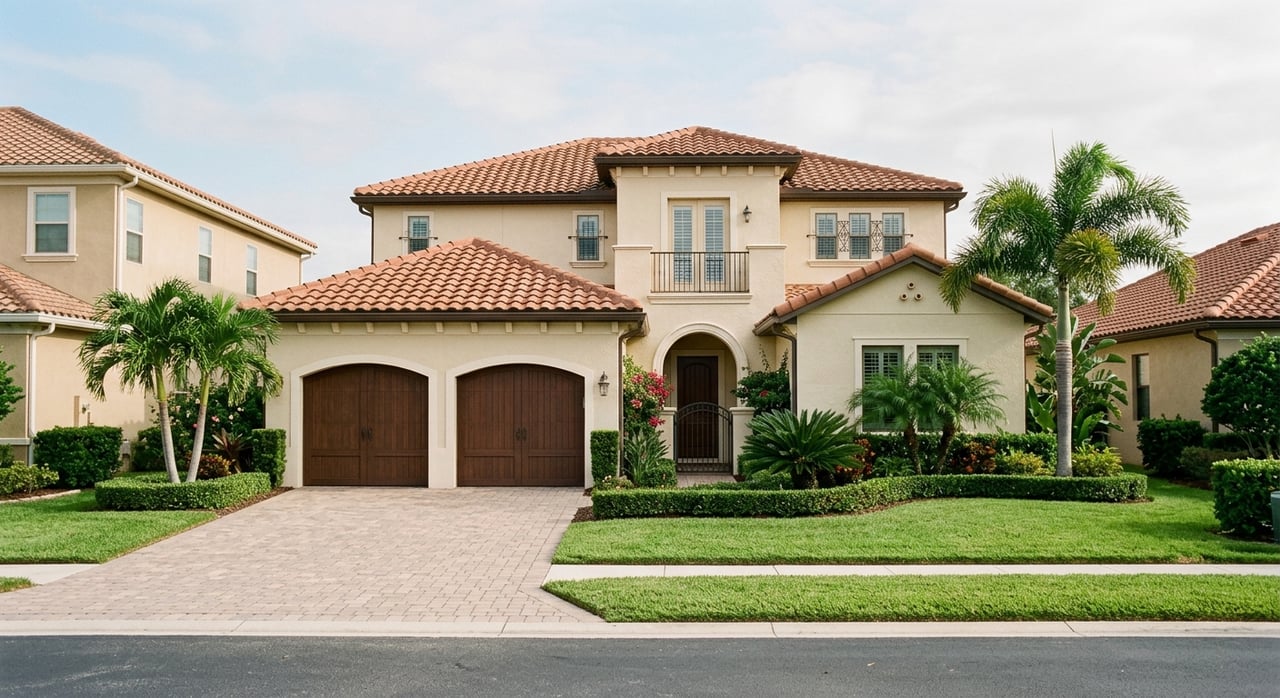
Thinking about selling your home in Orlando? The process can feel like a lot at first, especially when you are trying to figure out timing, pricing, repairs, showings, and what happens after you accept an offer. The good news is that when you understand the steps ahead, you can make smarter decisions and avoid common surprises. Here’s what you can expect when selling in today’s Orlando market, and how to prepare for a smoother sale. Let’s dive in.
Orlando Market Conditions Today
If you are selling a home in Orlando, it helps to start with the current market picture. In May 2026, Orlando Regional REALTOR Association reported that sales rose 6.5% from April, the median home price reached $407,002, homes averaged 66 days on market, and inventory stood at 4.26 months of supply.
That matters because Orlando is moving toward a more balanced market, but it is still not at the six-month supply level often associated with full balance. In practical terms, buyers may have a bit more room to negotiate than they did in the most competitive years, but well-priced homes can still attract strong interest.
Timing Your Sale in Orlando
Seasonality still plays a real role in Central Florida. ORRA described March 2026 as a strong spring market, May as a period of rising activity heading into summer, and November as a slower holiday-season market when many buyers are less active.
For you, that means timing can affect how many buyers see your home, how much competition you face, and how much leverage you may have in negotiations. If you have flexibility, listing during more active seasons may help generate stronger traffic early on.
Start With Pre-Listing Preparation
Before your home goes live, expect to spend time getting it ready. This usually includes cleaning, decluttering, improving curb appeal, and deciding whether to make repairs before listing.
These early steps matter because today’s buyers are selective and often make quick judgments online. In a market where homes may sit longer than they did a few years ago, weak presentation can slow momentum right from the start.
What to Prepare Before Listing
A solid pre-list plan often includes:
- Deep cleaning throughout the home
- Removing extra furniture or clutter
- Touching up paint or minor cosmetic issues
- Improving the front entry and yard appearance
- Gathering warranties, manuals, and key home documents
- Deciding whether to complete repairs before launch
NAR also notes that a pre-sale inspection is optional, but it can uncover issues before a buyer does. That can help you plan ahead instead of reacting under contract.
Is Staging Worth It?
Staging is optional, but it can make a difference. NAR’s 2025 staging research found that nearly half of sellers experienced faster home sales, and some agents reported offer increases of 1% to 10% on staged homes.
That does not mean every home needs a full staging package. Sometimes a lighter approach, like better furniture placement, simplified decor, and brighter rooms, can help your home show more clearly online and in person.
Pricing Matters More Than Ever
One of the biggest things to expect when selling a home in Orlando is a pricing conversation based on data, not guesswork. Pricing is typically built from recent comparable sales, your home’s size and condition, its features, and current market conditions.
In Orlando’s current environment, this step is especially important. Buyers have more options now, so an overpriced home may sit longer and lose early momentum.
How a Listing Price Is Usually Set
A pricing strategy often looks at:
- Recent comparable sales
- Active competing listings
- Home size and layout
- Condition and updates
- Amenities and features
- Your desired timeline and goals
If your goal is a faster sale, a more competitive asking price may help. If your price starts too high, you may end up chasing the market instead of leading it.
Your Listing Launch Is a Big Moment
Once your home hits the market, the first few days matter a lot. NAR reports that early views, saves, and shares can help determine whether a listing gains traction.
That is one reason digital marketing quality is so important. Today’s buyers are searching online first, and 52% of buyers found the home they purchased online. NAR also says 81% of buyers found listing photos to be the most useful online feature.
What Buyers Notice First Online
Because the market is digital-first, expect buyers to focus heavily on how your home appears online. Strong listing presentation usually includes:
- Professional photography
- Clear room-to-room flow
- Accurate pricing
- Clean, uncluttered visuals
- Features that match current buyer preferences
NAR also notes that buyers are especially drawn to energy-efficient upgrades, flexible rooms, smart-home features, and usable outdoor space. If your home offers any of those features, they should be highlighted clearly in the marketing.
Showings and Open Houses
After launch, expect a period of showings and buyer feedback. Depending on your pricing, condition, and timing, this may move quickly or take longer.
NAR suggests that the first open house on the weekend after a listing goes live can help maximize exposure. Even if an open house does not directly produce the final buyer, it can build awareness and increase overall activity.
Expect Negotiation, Not Just Offers
Receiving an offer is exciting, but it is rarely the final step. In many cases, you should expect some level of negotiation around price, closing timeline, repairs, credits, or contingencies.
In Orlando’s current market, buyers may ask more questions and compare more homes before committing. That does not mean your home is not desirable. It simply reflects a market where buyers have a little more breathing room.
The Best Offer Is Not Always the Highest
When you review offers, price is important, but it is not the only factor. NAR notes that cash offers and fewer contingencies can sometimes lead to a smoother and faster closing.
A strong offer may also depend on:
- Financing strength
- Inspection contingencies
- Appraisal risk
- Requested seller credits
- Closing timeline
- Overall likelihood of reaching the finish line
This is where clear communication and careful review really matter.
What Happens After You Accept an Offer
Once you accept an offer, the home typically moves into escrow. This is the contract-to-close phase, and it often includes inspections, appraisal, title work, insurance coordination, and final paperwork.
This part can take several weeks or more, depending on the buyer’s financing and any issues that come up. It is normal to have some back-and-forth during this stage.
Common Post-Contract Steps
After contract acceptance, sellers often move through these steps:
- Buyer completes inspections
- Repair requests or credit discussions may follow
- Buyer’s lender orders an appraisal if needed
- Title search is completed
- Insurance and loan approval continue on the buyer side
- Final documents are prepared for closing
If the appraisal comes in low or inspection issues arise, you may need to renegotiate. That is a normal part of many transactions.
Florida Seller Disclosures You Should Expect
Selling a home in Florida includes specific disclosure responsibilities. Florida Realtors explains that sellers must disclose known facts that materially affect value and are not readily observable, and this duty applies even if the home is sold as is.
In other words, selling as is does not remove your disclosure obligations. Being upfront early can help reduce risk later in the transaction.
Property Tax Disclosure
Florida law requires a property-tax disclosure summary at or before contract execution. This warns buyers that current property taxes may not remain the same after the sale because reassessment can increase taxes.
This is especially relevant if your buyer is comparing current tax bills to future ownership costs. It is a standard part of the process, but it often raises questions, so it helps to be prepared.
Flood Disclosure
Florida law also requires a flood disclosure at or before contract execution. The disclosure states whether you know of flooding on the property, whether flood insurance claims have been filed, or whether flood-assistance funds have been received.
This is an important issue in Florida because homeowners insurance does not cover flood damage. If flooding has occurred, accurate disclosure is essential.
If You Are Buying Another Home in Florida
If you plan to sell your Orlando home and buy another primary residence in Florida, there may be a property tax angle to keep in mind. According to the Florida Department of Revenue, eligible homeowners may be able to transfer all or part of their Save Our Homes assessment difference to a new homestead.
This is often called homestead portability. The transfer is generally requested with Form DR-501T and the new homestead application, usually by March 1 of the first year after the move.
What Usually Helps Homes Sell Faster in Orlando
In today’s Orlando market, three of the biggest levers are price, presentation, and digital visibility. Local data suggests that well-prepared homes can still capture attention, but buyers are less forgiving of overpricing, weak photos, or incomplete prep.
If you want to put yourself in the best position, focus on the things you can control before launch. A thoughtful plan upfront can reduce days on market and support a stronger negotiation position.
A Simple Orlando Selling Roadmap
Most sellers can expect the process to follow this general sequence:
- Prepare the home
- Price it using comps and current market conditions
- Launch with strong online marketing
- Host showings and possibly an early open house
- Negotiate offers and terms
- Navigate inspections, appraisal, title, and disclosures
- Close and move on to your next step
Selling a home is not a single event. It is a series of decisions, and each one affects the next.
If you are planning to sell in Orlando, the best first move is to get clear on your home’s likely value, your timing, and the prep work that could help you stand out. For personalized guidance and a digital-first, high-touch selling experience in Central Florida, connect with Omar Sanchez.
FAQs
What is the average time to sell a home in Orlando right now?
- ORRA reported in May 2026 that homes in Orlando averaged 66 days on market.
What should I do before listing my Orlando home?
- Most sellers should expect to clean, declutter, improve curb appeal, consider repairs, and gather home documents before going live.
Does staging help when selling a home in Orlando?
- Staging is optional, but NAR’s 2025 research found that nearly half of sellers experienced faster sales, and some agents reported offer increases of 1% to 10%.
Are Florida sellers required to disclose problems with the home?
- Yes. Florida sellers must disclose known facts that materially affect value and are not readily observable, even in an as-is sale.
What disclosures are especially important for Orlando home sellers?
- Florida sellers should expect property tax and flood disclosures at or before contract execution, along with other required transaction disclosures.
Is the highest offer always the best offer when selling a home in Orlando?
- No. A lower offer with cash or fewer contingencies may sometimes provide a smoother and faster path to closing.