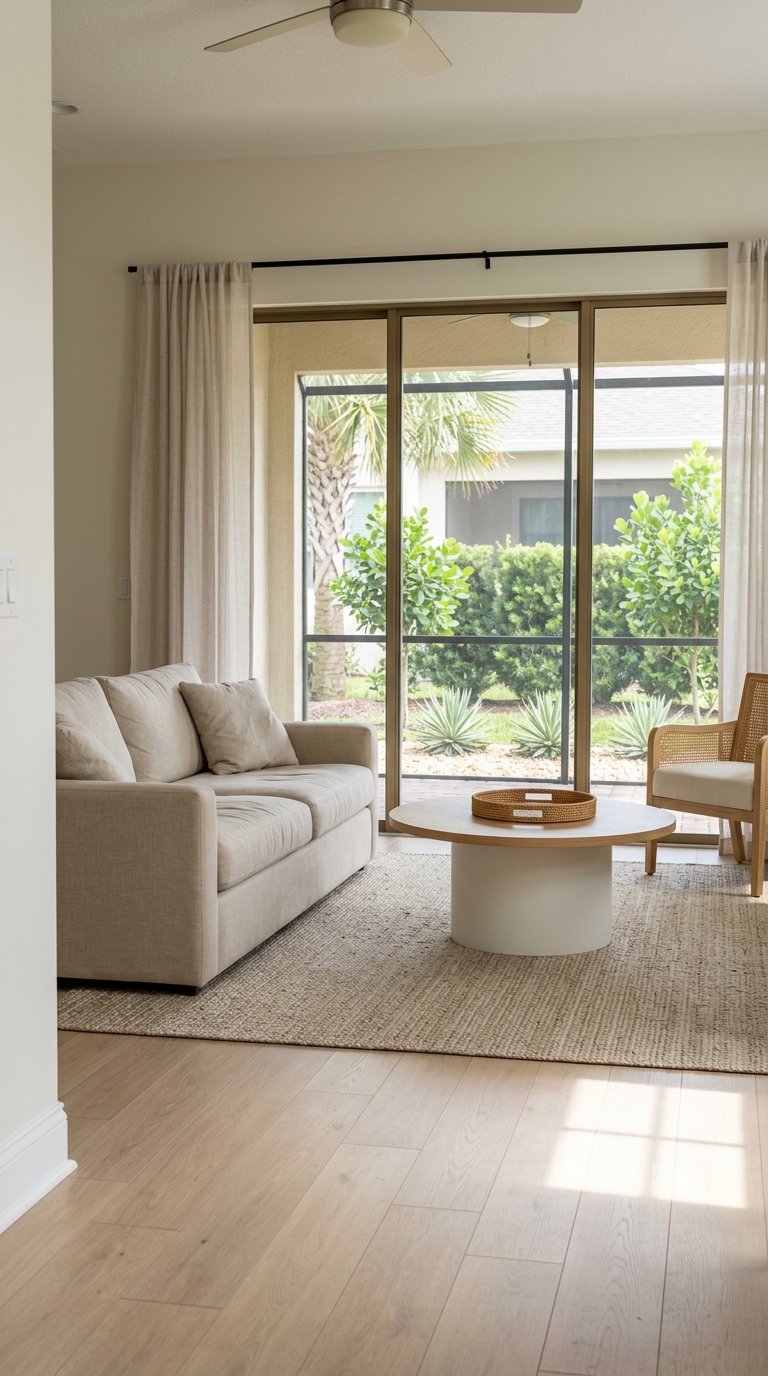
Wondering whether now is the right time to sell your Kissimmee vacation home? You are not alone. Many owners are weighing softer market conditions, changing short-term rental costs, and the day-to-day reality of managing a property from near or far. The good news is that you do not have to guess. With the right local data and a clear look at your numbers, you can make a smarter hold-or-sell decision. Let’s dive in.
Kissimmee Market Snapshot
Kissimmee’s spring 2026 housing market looks active, but it is not the kind of market where almost any listing sells fast at top dollar. Public dashboards point to a market where buyers still exist, yet pricing and presentation matter more than they did in a stronger seller-driven cycle.
Redfin reported a median sale price of $349,819 in April 2026, with 62 median days on market and a 98.0% sale-to-list ratio. Realtor.com reported a $389,000 median listing price, about 3,700 homes for sale, 88 median days on market, and homes selling 1.78% below asking on average in March 2026. Zillow showed a typical home value of $359,676, inventory of 3,162, and a median sale price of $384,167.
These numbers vary because each platform uses different methods and timeframes. Still, they point to the same takeaway: buyers have options, and sellers need a disciplined strategy. If you price too high, you may lose time and negotiating power.
What This Means for Vacation Home Owners
Selling a vacation home in Kissimmee is different from selling a primary residence. Many buyers will look at the home itself, but they may also care about how the property has performed as a rental. That makes your pricing story more detailed than just square footage, finishes, and recent comparable sales.
If your property is clean, well maintained, and easy to evaluate, you may still be in a strong position. If it needs updates or your income history is uneven, buyers may push harder on price. In this market, preparation can make a real difference.
Tourism Still Supports Kissimmee
One reason many owners still feel confident about Kissimmee is the area’s tourism base. Experience Kissimmee’s FY2024-25 impact report said Osceola County generated $85.2 million in tourist development tax collections, about $7 billion in annual visitor spending, and $10.6 billion in total economic impact. The report also said tourism supported more than 40,700 jobs.
That same report noted expansion into 19 source markets and strong room-night generation from sports and meetings activity. In plain terms, visitor demand is broad. It is not tied to just one type of traveler.
That matters if you are deciding whether to hold your property longer. A destination with diversified visitor demand may offer more staying power than an area that depends too heavily on one season or one guest group.
Seasonality Can Change the Equation
Even with strong tourism, monthly vacation-home performance can fluctuate. A county TDC update for September 2025 showed vacation-home occupancy at 36%, average daily rate at $165, and RevPAR at $59. In that same update, hotel occupancy was 52% with an ADR of $126.
That does not mean vacation homes are weak across the board. It means results can vary based on season, property type, location, condition, and management quality. One owner’s property may perform very differently from another’s.
Before you decide to sell or hold, review your own monthly occupancy trends. A home that performs well during stronger travel periods but struggles in slower months may still be a good long-term hold. A property with falling occupancy, rising expenses, and inconsistent bookings may tell a different story.
When Selling May Make Sense Now
For some owners, this may be a practical window to sell rather than wait. That is especially true if the property no longer fits your goals or if the numbers are not working the way they used to.
Selling may make more sense now if:
- Your occupancy has softened over time
- The home needs a major update or repair
- You no longer use the property the way you planned
- Managing the home from out of state feels like a burden
- Compliance, taxes, and operating costs are eating into your returns
- You want to turn equity into another investment or personal goal
In a market like this, a realistic price and strong presentation can still attract serious buyers. The key is knowing whether your expected sale outcome beats the likely net result of continuing to hold.
When Holding May Make More Sense
A sale is not always the best move. If your home remains legally rentable and your numbers still work after expenses, holding may offer more long-term value.
Holding may make more sense if:
- The property is legally set up for short-term rental use
- Your occupancy and nightly rates remain solid over time
- Your net income still makes sense after all costs
- The home is in good condition with no major near-term capital needs
- You are comfortable riding out seasonal swings
- You have a longer investment timeline
This is where many owners get tripped up. They focus on gross booking revenue instead of true net performance. That can make a property look stronger on paper than it really is.
Rules and Taxes Matter More Than Many Owners Think
If you are using a home as a short-term rental in Osceola County, local rules matter. The county says owners should first verify that zoning allows short-term rentals. It also warns that additional rules may apply within subdivisions or planned developments.
The county’s short-term rental guidance also directs owners to obtain a DBPR vacation-rental license and then register for a Local Business Tax Receipt. Since DBPR defines vacation rentals as qualifying transient public lodging units, the exact property type and zoning setup matter.
Taxes also affect your bottom line. Florida imposes a 6% state sales tax on transient rentals, and Osceola County imposes a 6% Tourist Development Tax on short-term rentals of less than 180 days. The county also says mandatory guest charges such as cleaning fees, resort fees, and pool heat are part of the taxable rental amount.
If you are comparing hold versus sell, these details should be part of the calculation. A property with solid gross revenue may still underperform after taxes and compliance costs.
Look at Net Profit, Not Gross Revenue
To make a sound decision, you need to go beyond booking totals. Gross income is only the top line. Your true picture comes from what is left after operating costs.
Review expenses such as:
- State and county taxes on short-term rental income
- Property management fees
- Cleaning costs
- Pool service and lawn care
- Utilities
- Insurance
- HOA dues
- Repairs and maintenance
- Future capital improvements
If those costs keep rising while occupancy softens, holding may be less attractive than it looks at first glance. If the home still produces healthy net income after all of those line items, keeping it may be reasonable.
How to Prepare for a Sell-or-Hold Review
Whether you plan to list now or simply want clarity, having the right information ready can save time and help you make a better decision. A strong seller packet also helps support a more accurate valuation and pricing strategy.
The most useful documents include:
- Occupancy history
- Booking statements or rent-roll records
- Expense summaries
- HOA or resort rules
- Tax filings
- Insurance bills
- Utility bills
- Repair history
- Details on upcoming bookings
- Notes on any expected capital projects
With this information, you can compare resale value against actual operating performance. That gives you a much clearer view of whether selling now or holding longer is the better move.
Pricing Strategy Is Critical Right Now
If you choose to sell, pricing discipline will be one of the biggest drivers of your result. Today’s buyers can compare more listings and may negotiate more aggressively when a home appears overpriced.
A strong pricing strategy should account for current inventory, recent sale trends, property condition, and any rental-related value your home can support. It should also reflect the reality that market time can increase when a listing starts too high. In many cases, a sharp launch can produce a better outcome than chasing the market later with price reductions.
The Right Answer Depends on Your Goals
There is no one-size-fits-all answer to whether you should sell your Kissimmee vacation home now. For one owner, this may be the right time to cash out, simplify life, and move on. For another, it may make more sense to hold a legally compliant property that still performs well after all expenses.
What matters most is looking at the full picture: local market conditions, seasonal rental performance, compliance requirements, taxes, operating costs, and your personal timeline. When you weigh those factors together, your next step usually becomes much clearer.
If you want a local, numbers-driven opinion on your Kissimmee vacation home, Omar Sanchez can help you review your property value, market position, and options with clear guidance and personal attention.
FAQs
Should you sell a vacation home in Kissimmee in 2026?
- It depends on your property’s condition, pricing position, occupancy history, expenses, and long-term goals. Current market data suggests homes can still sell, but buyers have options and pricing matters.
How is the Kissimmee housing market affecting vacation home sales?
- Spring 2026 data shows an active but more negotiable market, with homes taking longer to sell and often closing below asking price on average.
What taxes apply to short-term rentals in Osceola County?
- Florida imposes a 6% state sales tax on transient rentals, and Osceola County imposes a 6% Tourist Development Tax on short-term rentals of less than 180 days.
What costs should you review before keeping a Kissimmee vacation rental?
- You should review taxes, management fees, cleaning, pool and lawn care, utilities, insurance, HOA dues, repairs, and future capital costs.
What documents help when selling a Kissimmee vacation home?
- Helpful records include occupancy history, booking statements, expense summaries, HOA rules, tax filings, insurance and utility bills, repair history, and any upcoming bookings or projects.