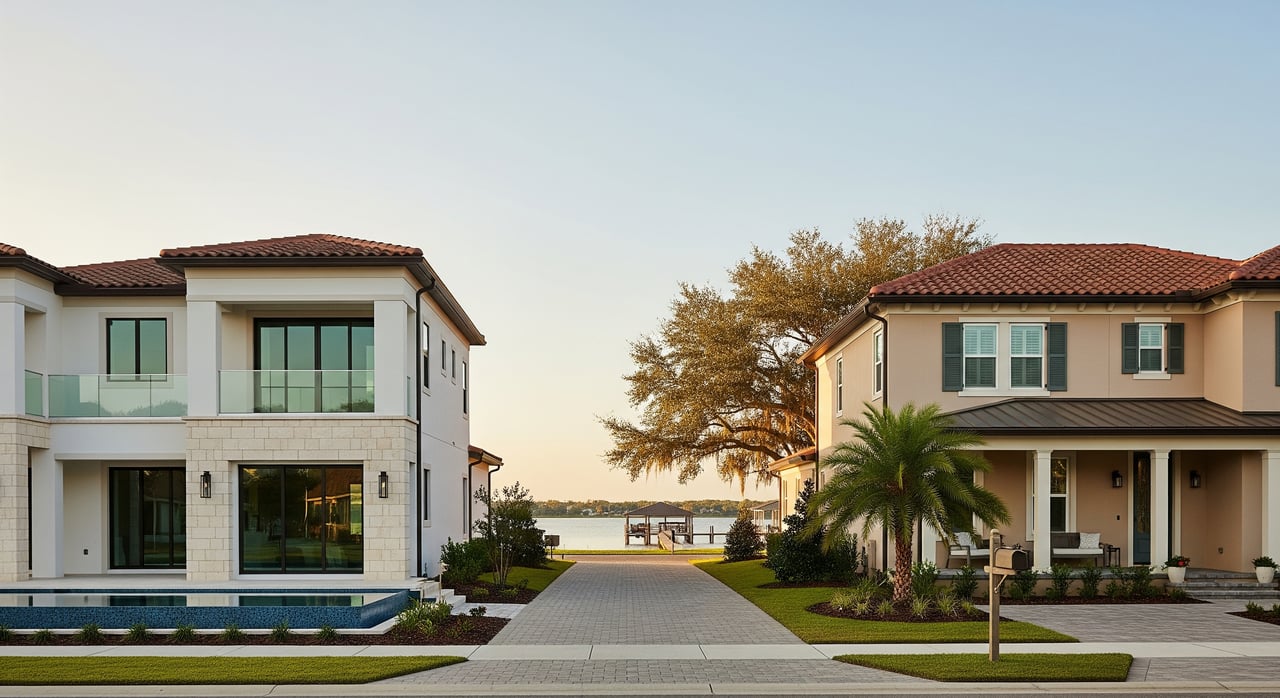
Thinking about a brand-new home or a well-kept resale in Saint Cloud? You’re not alone. Many Osceola County buyers weigh customization and warranties against established neighborhoods and faster move-in timelines. In this guide, you’ll learn how new construction and resale compare on total cost, HOA and CDD fees, build timelines, incentives, and insurance in Central Florida. Let’s dive in.
Saint Cloud snapshot: new vs. resale
Saint Cloud sits within the Orlando metro, close to major employers and activity hubs. You’ll find new master-planned communities alongside established neighborhoods with mature landscaping and known resale comps. Local permitting runs through the City of Saint Cloud and Osceola County, which can affect build timing and closings. You can review local permit processes through the City of Saint Cloud’s resources.
If you want a specific layout and finishes, new builds offer choice. If timing is critical, resale or a quick-move-in spec home may fit better. Keep your commute, budget, and tolerance for construction delays in mind.
Total cost of ownership
All-in cost matters. Price is just one piece. Compare new and resale by adding upfront and recurring expenses so you know your true monthly and yearly outlay.
One-time purchase and closing costs
- Purchase price. New homes can carry premiums for lot position and upgrades. Resale pricing reflects age, condition, and location comps.
- Closing costs. Expect title, lender fees, recordings, and prorations. Builders may add fees for upgrades or lot premiums, and sometimes offer credits with preferred lenders. For basics, see the Consumer Financial Protection Bureau’s guidance on closing costs.
- Upgrades and selections. Base pricing can rise quickly with kitchens, flooring, and landscaping. Get every option priced in writing.
- Site and lot factors. Premium lots and extra elevation or grading can add to cost and time.
Recurring costs to budget
- Property taxes and assessments. New construction resets assessed values. Check the Osceola County Property Appraiser and Tax Collector for current assessments and bills before you commit.
- HOA and CDD. Many new communities include both. HOA dues cover common areas. CDD assessments repay infrastructure bonds and appear on your tax bill.
- Maintenance and reserves. New builds generally have lower early maintenance needs. Older homes may need roof, AC, or plumbing work sooner.
- Insurance and utilities. Newer code-built homes may qualify for credits and can be more energy efficient. Verify specs and request quotes early.
All-in checklist for Saint Cloud
Use this quick worksheet to compare two addresses side by side:
- Base price plus upgrade package and lot premium
- Estimated closing costs after any credits
- First-year property taxes and any CDD assessments
- HOA dues and any initiation fees
- Homeowners and flood insurance quotes
- Five-year maintenance reserve estimate
- If building: interim housing, storage, and overlap costs
HOA and CDD in Osceola County
A Community Development District, or CDD, is a special district that finances and maintains community infrastructure. The assessment appears on your annual property tax bill and is separate from HOA dues. You can review the legal framework in Florida Statutes Chapter 190.
Before you sign, request:
- HOA declarations, budget, reserves, and board meeting minutes
- CDD bond documents, adopted budget, and the estimated annual assessment per home
- Rules for architectural changes and leasing
- Any pending HOA or CDD litigation
In Osceola County, you can confirm whether a parcel has a CDD and review recent tax bills through county records. Build these items into your total cost.
Build timeline and process
New builds in Central Florida are often production homes. You choose a plan and lot, then the builder constructs on a set schedule. National context from builder surveys and construction data helps frame expectations, which you can explore through NAHB or the U.S. Census New Residential Construction reports.
Typical timelines in Central Florida
- Spec or quick-move-in homes. Often available now or within a few weeks to a few months after final inspections and certificate of occupancy.
- Build from scratch. Commonly about 6 to 12 months from contract to completion, depending on permitting, weather, and supply chain.
Common causes of delay
- Permit backlogs or plan revisions at local building departments
- Severe weather and hurricane season from mid-June to November
- Materials or labor shortages
- Lot-specific conditions like drainage, soil, or required elevation
- Buyer change orders after construction starts
Inspections and walk-throughs
Most builders schedule a pre-closing walk-through and punch list. Ask if you may hire an independent inspector and when they can access the site. Confirm in the contract how warranty items are handled and how completion dates are defined.
Incentives, warranties, and financing
New construction often markets incentives. Resale can offer flexibility on price or repairs. Compare the total value, not just the headline.
Builder incentives
Common offers include rate buydowns, closing cost credits, appliance packages, or upgraded finishes. Incentives may require using a preferred lender or title company. Model the net savings and watch for teaser rates that adjust later.
Warranty differences
Many production builders use a limited “1-2-10” style warranty: roughly 1 year for workmanship, 2 years for major systems, and 10 years for structural issues. Coverage varies, so always read the fine print. NAHB provides general context on warranties and process expectations, which you can explore via NAHB’s resources. Resale homes may come with a seller-paid home warranty at closing or you can purchase your own policy.
Financing and rate locks
- Resale. Standard conventional, FHA, VA, or USDA financing with a 30 to 45 day close once underwritten.
- New construction. You may finance a completed home traditionally or use a construction-to-permanent loan for ground-up builds. Ask how long you can lock your rate and what happens if construction slips.
- Preferred lenders. Credits can be attractive, but compare the total cost and terms alongside an outside quote.
Insurance in Florida
Florida insurance involves wind, hurricane, and sometimes flood coverage. Rules and pricing can change, so go straight to the state sources for current guidance: the Florida Office of Insurance Regulation and the Florida Department of Financial Services. If private carriers are limited, Citizens Property Insurance may be available.
New construction advantages
- Built to current Florida Building Code and may qualify for wind mitigation credits
- Newer roofs, impact-rated openings, and modern systems can reduce premiums
- No prior claims tied to the structure
Resale considerations
- Older roofs and systems may increase premiums or trigger repair requirements
- Prior claim history can affect insurability and cost
Smart steps for quotes
- Get quotes early for both addresses you are comparing
- Order a wind mitigation inspection after completion to capture credits
- Check flood zones at the FEMA Flood Map Service Center and confirm if your lender will require flood insurance
- Clarify who carries insurance during construction and request proof from the builder
Decision framework: choose what fits you
Ask yourself:
- Timeline. Do you need to move soon, or can you wait 6 to 12 months to build?
- Budget discipline. Can you absorb upgrades, lot premiums, HOA dues, and any CDD long term?
- Customization. Is choosing layout and finishes a top priority?
- Risk tolerance. Are you comfortable with possible permit or weather delays?
- Community preference. Do you prefer brand-new amenities or an established neighborhood with mature landscaping?
- Insurance and location. Are wind or flood risks acceptable for a specific lot?
Keep a folder with these documents when you get serious:
- Purchase contract terms, timelines, and change-order rules
- Written list of upgrades with pricing and deadlines
- Builder warranty documents and claim procedures
- HOA declarations, budgets, reserve study, and meeting minutes
- CDD bond details, current assessment, and budget
- Building permit status and expected certificate of occupancy date
- Site survey, grading and drainage plans, elevation certificate if needed
- Insurance quotes for homeowners and flood
- Proof of builder licensing and complaint history
How a local advisor helps
A hands-on local agent saves you time and money by coordinating quotes, reviewing HOA and CDD documents, and flagging contract pitfalls early. You get clear timelines, realistic all-in budgets, and a smoother path to closing, whether you choose new construction or a great resale. Hablamos español.
If you’re comparing specific Saint Cloud addresses or communities, let’s build an apples-to-apples cost and timeline plan tailored to you. Reach out to Omar Sanchez for a friendly consult and next steps.
FAQs
What is a CDD in Osceola County and how does it affect my costs?
- A Community Development District funds community infrastructure and collects an annual assessment on your property tax bill. Review bond documents and budgets under Florida Statutes Chapter 190, and include the assessment in your total cost.
How long does new construction usually take in Saint Cloud?
- Many production builds take about 6 to 12 months from contract to completion, with possible delays from permitting, weather, or supply issues. Spec homes can be ready in weeks if final inspections are complete.
Are builder incentives really worth it?
- They can be. Compare the total value after any preferred-lender requirements and rate buydowns. A closing credit may not beat a lower long-term rate or better base price.
How do I estimate closing costs for Florida homes?
- Start with title, lender fees, recording, and prorations. Builders may add upgrade and lot fees. For a plain-English overview, see the Consumer Financial Protection Bureau’s closing cost resources.
How do insurance costs differ for new vs. resale in Central Florida?
- Newer code-built homes often qualify for wind mitigation credits and may have lower premiums, while older systems can raise costs. Review guidance from the Florida Office of Insurance Regulation and request quotes early.
How can I check flood risk for a Saint Cloud property?
- Look up the address on the FEMA Flood Map Service Center. If the property is in a flood zone, your lender will likely require flood insurance.