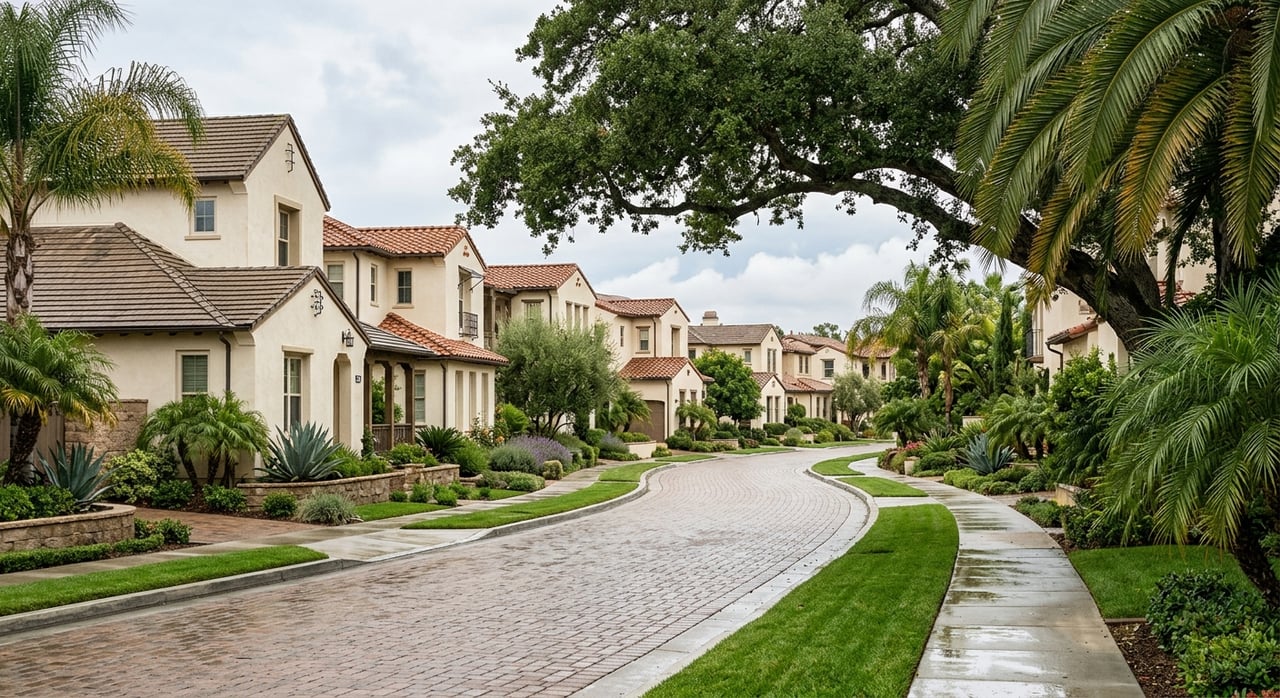
If you are buying your first home in Lakeland, one of the biggest surprises is how different one area can feel from the next. This is not a one-size-fits-all market, and choosing the right spot can shape your budget, commute, and daily routine as much as the home itself. The good news is that once you understand Lakeland’s micro-markets, it gets much easier to narrow your search with confidence. Let’s dive in.
Why Lakeland Feels So Different Area to Area
Lakeland has roughly 100 geographic neighborhood boundaries and about 30 registered neighborhood associations, according to the City’s Neighborhoods Office. That means you are not really choosing from one market. You are comparing many smaller pockets with their own housing styles, prices, and day-to-day feel.
The city also has seven historic districts, all in the Core Improvement Area. For a first-time buyer, that matters because the type of home, lot size, parking setup, and exterior rules can vary a lot depending on where you look.
Start With Budget, Not Just the Map
A smart first step is to set your monthly payment ceiling before you fall in love with a specific area. In Lakeland, neighborhood choice often drives your budget more than the citywide average does.
Lakeland’s citywide median listing price is $349,900, with a median sold price of $333,500 and 66 median days on market. But neighborhood medians stretch from the low $200,000s to the mid-$500,000s, so it helps to think in price bands instead of one headline number.
Lakeland price points to know
Here are a few useful anchors for first-time buyers:
- Lakeland citywide median listing price: $349,900
- Lakeland Highlands median listing price: $453,000
- South Lake Morton Historic District median listing price: $555,000
- Dixieland median listing price: $287,000
- North Lake Wire median listing price: about $216,000
- Webster Park North median listing price: $222,499
These numbers can help you quickly see which areas may fit your starting budget and which ones may require more flexibility.
Historic Core Areas: Character and Walkability
If you like older homes, mature trees, and easy access to downtown, Lakeland’s historic core may stand out right away. Areas like Munn Park, Dixieland, South Lake Morton, East Lake Morton, and Lake Hunter Terrace offer some of the city’s most recognizable architecture and streetscapes.
Munn Park is Lakeland’s urban downtown core, with walkable blocks, sidewalks, alleys, narrow two-way streets, and two- and three-story buildings with retail, offices, restaurants, and upper-floor uses. It has served as the city’s public square since the city’s founding, which gives the area a true downtown identity.
Dixieland is known for Craftsman bungalows, one- and two-story homes, narrow lots, close setbacks, sidewalks, brick streets, and a commercial corridor on South Florida Avenue. South and East Lake Morton feature Bungalow and Mediterranean Revival styles, along with alleys, sidewalks, brick streets, and nearby civic and cultural destinations like Florida Southern College, the Polk Museum of Art, and the public library.
Lake Hunter Terrace offers another older inner-area option, with brick streets, a mature tree canopy, front porches or stoops, and a quieter historic setting southwest of downtown.
Tradeoffs in the historic core
For many first-time buyers, the appeal here is clear:
- More architectural character
- Better access to downtown amenities
- More walkable streets and older neighborhood charm
At the same time, these areas often come with tradeoffs, including:
- Narrower lots
- Less garage convenience
- More limited on-site parking in some locations
- Possible exterior-review requirements in historic districts
The City notes that painting in downtown and historic districts requires design review approval first. If you are considering an older home, it is worth asking early about any exterior work rules.
South Lakeland and Lakeland Highlands: More Suburban Options
If your priority is a newer-feeling setting, larger lots, or a more subdivision-style search, South Lakeland and Lakeland Highlands may be worth a closer look. These areas often appeal to buyers who want more room to spread out or compare several homes in a similar style range.
Lakeland Highlands currently shows a median listing price of $453,000, 124 active homes for sale, and a buyer’s-market label. Communities highlighted there include Highland Village, Highland Gardens, Casa Loma Condominiums, and Twin Lakes at Christina, which points to a mix of planned communities and condos.
In the broader Southwest Lakeland submarket, the median listing price is $329,950, but the attached zip code data ranges from $232,450 in 33815 to $439,950 in 33813. That spread shows why it helps to zoom in carefully instead of assuming the whole south side sits in one price tier.
Why buyers look south
For first-time buyers, the south side often becomes a practical comparison point because it may offer:
- Larger suburban lots
- More planned-subdivision options
- A range of price points depending on the exact area
- Convenient access to shopping and key roads
Lakeside Village in the Grasslands area is one of the clearest south-side convenience anchors, with shopping, dining, entertainment, events, and a movie theater.
Near and North of Downtown: Lower Entry Points
If your budget is tighter, you may want to look at older or more compact neighborhoods near and north of downtown. Current market data show that some of these pockets sit well below Lakeland’s citywide median listing price.
Dixieland’s median listing price is $287,000, while North Lake Wire is about $216,000 and Webster Park North is $222,499. For a first-time buyer, that can create a more reachable starting point in the market.
The tradeoff is that lower entry prices often come with smaller lots, older homes, or more maintenance needs. Parking setup can also vary, especially in older areas with alleys, close setbacks, or narrower parcels.
Commute and Access Can Change Everything
A neighborhood may look perfect online, but your daily routine can feel very different once you test the drive. In Lakeland, access to I-4, US 98, and the Polk Parkway can have a big effect on convenience.
FDOT lists Lakeland access points at I-4 exit 27 for SR 570, the Polk County Parkway, and exit 32 for US 98. If you commute regularly or travel across Polk County or toward the Orlando and Tampa sides of the corridor, these connections can help shape which area makes the most sense.
For buyers who rely on public transit, Citrus Connection provides countywide fixed routes throughout Lakeland and to Winter Haven, Bartow, Auburndale, and Haines City. The system also emphasizes a downtown Lakeland terminal as a mobility hub, which makes the core area especially practical for some routines.
Downtown access and parking perks
Downtown Lakeland also has a useful parking advantage for errands and outings. The City says downtown parking is free for up to 2 hours daily in designated spaces, and street parking and city garages are free after 5 PM on weekdays, on weekends, and on City holidays.
That may not decide your purchase on its own, but it can make the downtown lifestyle easier if you like dining out, visiting the lakes, or spending time in the urban core.
Everyday Amenities Matter More Than You Think
Once the excitement of home shopping settles, your everyday stops start to matter a lot. Grocery runs, parks, weekend plans, and casual outings can all affect how satisfied you feel with an area.
Downtown and the lake-adjacent core offer one of Lakeland’s strongest concentrations of civic and cultural amenities. Munn Park, Lake Mirror, Hollis Garden, and the Downtown Public Art Trail all support an on-foot, downtown-centered experience.
Hollis Garden is a 1.2-acre formal botanical garden inside historic Lake Mirror Park. The Public Art Trail stretches from Lake Mirror to Lake Beulah, reinforcing the walkable nature of the core.
Lakeland also has 38 named lakes within city limits, according to the City. That lake-centered layout adds another layer to how neighborhoods feel and how people spend their free time.
Recreation and convenience anchors
A few major amenities can help you compare areas:
- Lake Parker Park: 88 acres with walking paths, a boat ramp, fishing, disc golf, tennis, pickleball, soccer fields, and picnic pavilions
- Bonnet Springs Park: 168 acres near downtown focused on nature, culture, recreation, and education
- Lakeside Village: a south-side shopping and dining destination
- Lakeland Square Mall: a north-side convenience anchor on US 98 North along the I-4 corridor
When you compare neighborhoods, think about which of these destinations fits your normal week, not just your ideal weekend.
A Simple Framework for Choosing the Right Area
If Lakeland feels overwhelming at first, use a simple three-bucket approach. Pick the area that best fits your budget, the area that best fits your commute, and the area that best fits your lifestyle. In many cases, those will be three different places.
Then start narrowing the list by asking practical questions during your search.
Questions to ask before choosing a Lakeland area
- What monthly payment feels comfortable before taxes, insurance, and upkeep stretch your budget?
- Do you care most about historic character, a newer subdivision feel, a lower entry price, or easy access to daily stops?
- Which route matters most for your routine: I-4, US 98, Polk Parkway, or transit?
- Where are your likely errand and weekend destinations: downtown, Lake Parker Park, Bonnet Springs Park, Lakeside Village, or Lakeland Square Mall?
- Is the property in a historic district or another area with extra exterior review rules?
- If the home is in an older neighborhood, how does parking work and what kind of exterior updates may need approval?
These questions can quickly turn a broad city search into a focused plan.
How First-Time Buyers Can Narrow the Search
You do not need to know every neighborhood in Lakeland before you start. You just need a clear process and a realistic sense of your tradeoffs.
For some buyers, that means targeting more budget-friendly pockets like North Lake Wire or Webster Park North. For others, it means comparing the character and walkability of Dixieland with the larger-lot feel of Lakeland Highlands. The right area is the one that supports your finances, routine, and comfort level at the same time.
If you want help sorting through Lakeland’s different micro-markets and finding the best fit for your first purchase, Omar Sanchez can guide you with local insight, clear communication, and a personalized plan.
FAQs
What is the average home price for first-time buyers in Lakeland?
- Lakeland’s citywide median listing price is $349,900, but first-time buyers will find a wide range depending on the neighborhood, from about $216,000 in North Lake Wire to $555,000 in South Lake Morton Historic District.
Which Lakeland areas may be more affordable for first-time buyers?
- Based on current median listing prices, neighborhoods like North Lake Wire, Webster Park North, and Dixieland may offer lower entry points than Lakeland’s citywide median.
What should first-time buyers know about Lakeland historic districts?
- Lakeland has seven historic districts, and some exterior changes in downtown and historic districts require design review approval, so it is important to ask about rules before you buy.
Is South Lakeland better for buyers who want newer-feeling homes?
- South Lakeland and Lakeland Highlands often give buyers more planned-subdivision and condo options, along with a more suburban feel and, in some cases, larger lots.
How important is commute access when choosing a Lakeland neighborhood?
- Commute access can make a major difference because Lakeland buyers may prioritize proximity to I-4, US 98, Polk Parkway, or the downtown Citrus Connection transit hub depending on their daily routine.
What amenities should first-time buyers compare in Lakeland?
- Useful comparison points include downtown destinations like Munn Park and Hollis Garden, recreation spots like Lake Parker Park and Bonnet Springs Park, and shopping anchors like Lakeside Village and Lakeland Square Mall.