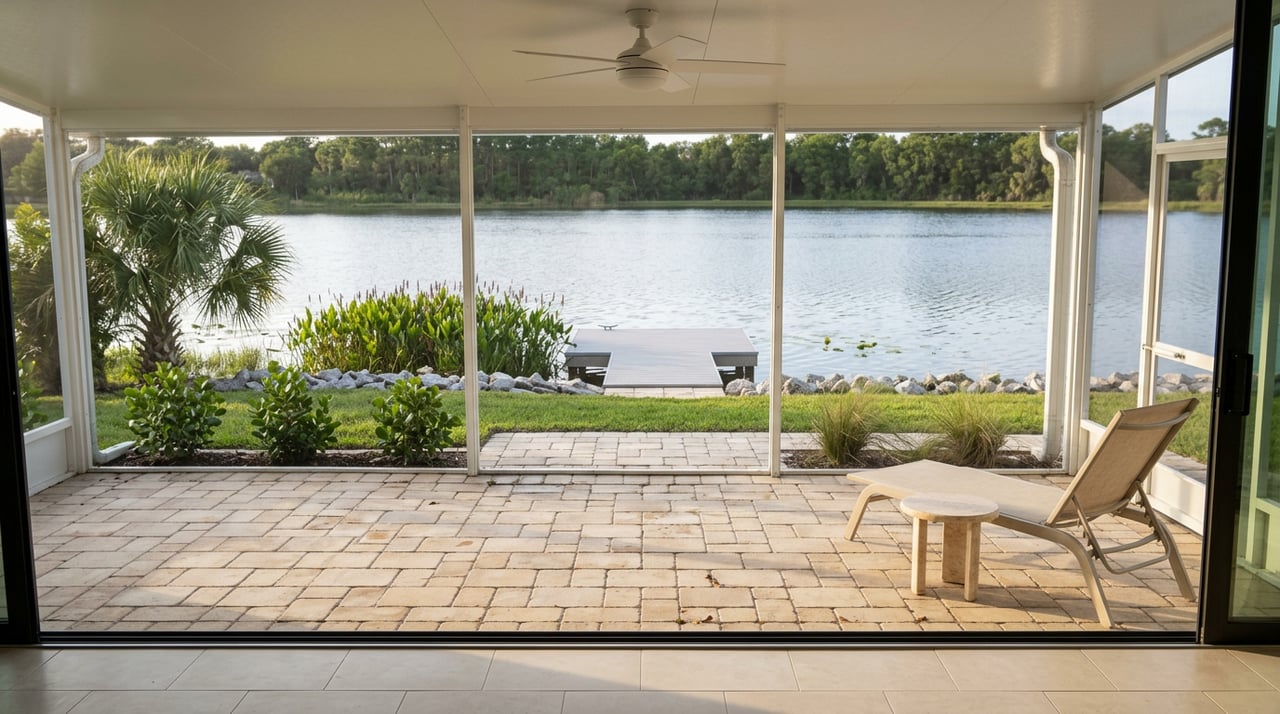
Sunrise on East Lake Toho is hard to beat. If you’re drawn to breezy afternoons on the water and quiet evenings with a lake view, Saint Cloud puts lake life within easy reach. In this guide, you’ll learn how local access works, what to check before you buy, and how rules, utilities, and maintenance shape daily life on the water. Let’s dive in.
Saint Cloud’s lakes at a glance
Saint Cloud sits along the south shore of East Lake Tohopekaliga, often called East Lake Toho. It is a dominant recreation hub for residents and is commonly described as roughly 12,000 acres. The U.S. Army Corps of Engineers has managed periodic drawdowns to improve habitat, as noted in its approved drawdown permit for East Lake Tohopekaliga. Just to the south is the larger Lake Tohopekaliga, also known as West Lake or Big Toho.
Together, these lakes support boating, fishing, birdwatching, and family time at lakeside parks. Your day can be as simple as a morning walk on the lakefront path, lunch at a picnic table, and an evening boat ride to catch a sunset.
Where you launch and play
Public access is straightforward. The City of St. Cloud operates the primary ramps that residents use at Lakefront Park and Chisholm Park, with trailer parking rules, daily fees, and annual permits for residents and county residents. Check current details on city-operated boat ramps and trailer permits before you go.
If you boat on the south lake, you’ll find services like the Big Toho Marina in the Kissimmee area for slips, bait, and supplies. Many Saint Cloud residents use a mix of city ramps and nearby marinas depending on the day’s plan.
Fishing is a big part of local culture. East Lake Toho and Lake Tohopekaliga are renowned for largemouth bass and have hosted tournament events. For current conditions and stocking or habitat updates, review bass fishery updates for Toho.
Waterfront property types
Not every “waterfront” listing works the same way. In Saint Cloud you’ll typically see three setups.
Direct lakefront
These lots have private frontage along the lake, often with the yard extending to the water’s edge. Owners commonly add a dock or lift, but new or replacement structures can require permits. Always verify the permitting history for any in-water or shoreline work.
Deeded or shared access
Some homes have access through a shared community ramp or an easement. You get a practical way to launch without paying for private frontage, but you share rules and maintenance. Ask for recorded easements, HOA documents, and any ramp or shoreline agreements.
Lake-view or near-lake
These homes sit close to the water and may offer views but do not include private access. This setup can lower ownership costs while keeping you near parks, paths, and public ramps.
For all three, confirm the survey, deed, and any recorded restrictions. Florida permitting and submerged-land rules can affect what you can build over the water, so review documents carefully and plan ahead.
Lifestyle, ecology, and maintenance
Healthy lakes need active management. On East Lake Toho, the Florida Fish and Wildlife Conservation Commission (FWC) and partners have run multi-year habitat enhancement projects and seasonal drawdowns to boost fisheries and shoreline habitat. These efforts can temporarily change vegetation or access. You can track recent actions and outcomes in FWC’s Toho fishery and habitat updates.
Aquatic plants are part of the Central Florida lake experience. Expect stretches of cattail and submerged vegetation, plus periodic mechanical removal or herbicide treatments led by agencies. These projects help balance navigation and habitat. For examples of how this work is scheduled and communicated, see FWC’s overview of plant control operations on Toho.
Wildlife is part of daily life near the water. Alligators are present across Florida’s lakes. Follow simple safety steps: do not feed wildlife, keep pets and children away from the water’s edge, and swim only in designated areas. For guidance and the nuisance-alligator hotline, review FWC’s alligator safety guidance.
Regular maintenance keeps the fun going. Budget for periodic dock or lift repairs, shoreline stabilization or seawall work, vegetation management where allowed, and pest or wildlife safeguards. If agencies plan a drawdown or vegetation project, access can change for a period, so it helps to stay current with local notices.
Rules, utilities, and safety basics
Boating speeds and no-wake zones
Idle-speed and no-wake zones protect shorelines and reduce conflicts near ramps and creeks. Osceola County outlines where speed limits apply and how they are enforced. Before you launch, check local idle-speed and no-wake rules so you know the designated areas.
Water and sewer service
Water and sewer in much of northern Osceola County are provided by the Tohopekaliga Water Authority. Some older lake cottages may still rely on septic or wells. Confirm the current setup and any recent connection work. For the regional utility context, see the Tohopekaliga Water Authority.
What to check before you buy
Use this buyer-focused checklist to move from dreaming to due diligence.
- Verify access type. Are you direct waterfront, deeded access, or near-lake with views only? Ask for the deed, a recent survey, and any recorded easements or HOA rules.
- Review flood maps and elevation. Pull the FEMA Flood Insurance Rate Map (FIRM) panel for the property and request any existing Elevation Certificate. Many inland lakes have mapped Special Flood Hazard Areas. Start with the Osceola County FIRM study panel.
- Get flood insurance quotes early. If a structure sits in an SFHA, lenders usually require flood insurance. Premiums under FEMA’s Risk Rating 2.0 depend on elevation, replacement cost, and other factors. Read the Risk Rating 2.0 basics and ask your agent for both NFIP and private quotes.
- Check dock, lift, and seawall permits. Ask the seller for permits and inspection records. In-water work can require multiple approvals at the local, state, or federal level. For context on federal involvement with Toho projects, see the USACE’s East Lake Toho drawdown permit notice.
- Confirm utilities. Determine if the property connects to Tohopekaliga Water Authority or relies on septic or a private well. Review any recent utility integration or connection work noted by the Toho Water Authority.
- Schedule inspections. Hire qualified pros to inspect docks, boat lifts, seawalls, and the home’s foundation. Ask for written estimates for typical marine repairs so you can plan your budget.
Resale factors to consider
Water and views are valuable, but the premium depends on local conditions. A peer-reviewed meta-analysis of U.S. studies found that water quality and proximity often correlate with higher property values, yet the size of that boost varies by lake size, water clarity, and the market. Read the research summary on how water quality affects housing values, then apply it locally by comparing recent Saint Cloud lakefront and near-lake sales and by factoring in insurance and maintenance.
In practical terms, buyers tend to prioritize four things: private boat access, unobstructed views, nearby amenities like ramps and walking paths, and a well-maintained shoreline. On the flip side, repeated vegetation issues, algae events, or high flood insurance costs can weigh on demand. A clear-eyed review of permits, flood data, and recent comps will help you price and negotiate with confidence.
Local resources
- City of St. Cloud Parks & Recreation: boat ramp hours, parking fees, and trailer permits.
- Osceola County code and ordinances: idle-speed and no-wake rules.
- Florida Fish and Wildlife Conservation Commission: fishery forecasts, habitat project updates, alligator safety and hotline.
- U.S. Army Corps of Engineers, Jacksonville District: permits and public notices for larger in-lake work.
- Tohopekaliga Water Authority: water, sewer, and reclaimed water service information.
- FEMA Flood Insurance Rate Maps and NFIP resources: flood zones, elevation, and insurance basics.
Next steps
If lake life in Saint Cloud is on your shortlist, let’s make a smart plan. I can help you confirm access type, pull flood and permit records, and set up showings that fit how you want to use the water. Ready to start? Reach out to Omar Sanchez for a friendly consult in English or Español.
FAQs
What does “waterfront” mean in Saint Cloud real estate?
- It can be direct lake frontage, a home with deeded/shared access to a community ramp, or a near-lake property with views but no private access.
How do Saint Cloud boat ramp permits and fees work?
- City-operated ramps use daily trailer fees and offer annual permits for residents and county residents, with rules posted by the City of St. Cloud.
Do I need flood insurance for a lakefront home in Saint Cloud?
- If your structure is in a mapped Special Flood Hazard Area and you have a mortgage, lenders typically require flood insurance; always check your FIRM panel and get quotes early.
Are alligators a concern around East Lake Toho?
- Yes, alligators are common in Florida lakes; follow posted guidance, keep pets and children away from shorelines, never feed wildlife, and swim only in designated areas.
Who provides water and sewer for homes near the lakes?
- Many properties are served by the Tohopekaliga Water Authority, though some older homes may use septic or wells; always confirm the specific utility setup for the parcel.