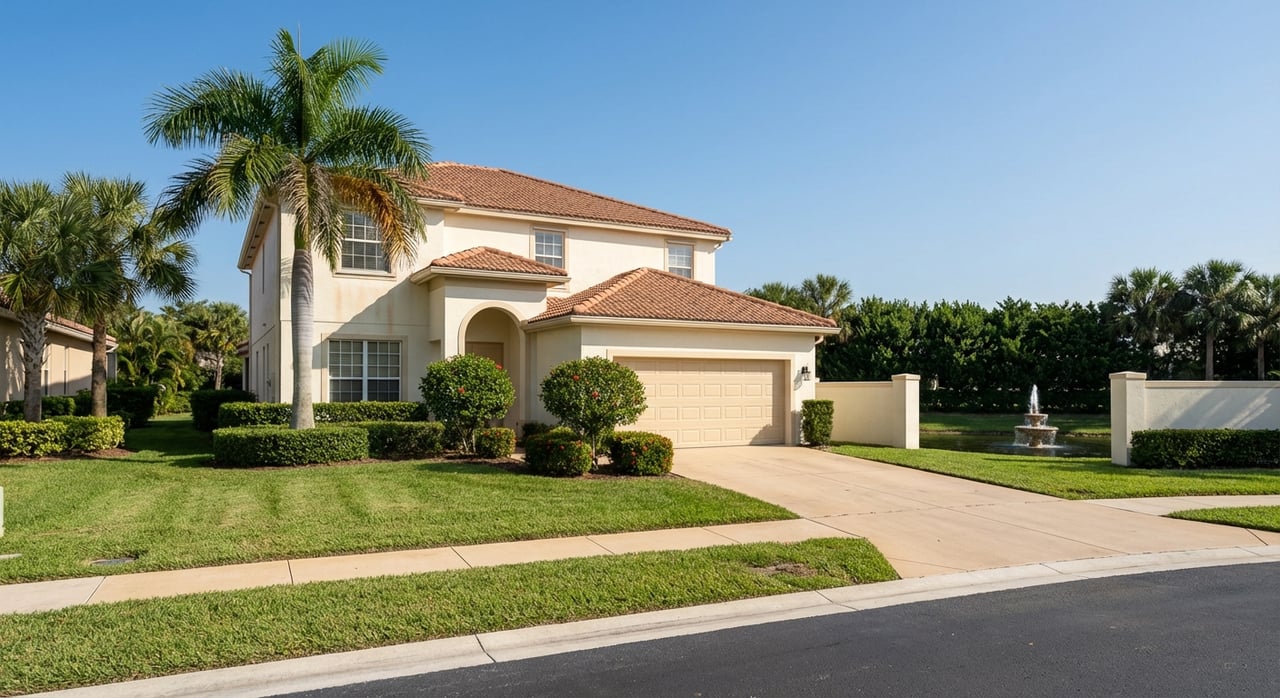
Dreaming of a Kissimmee getaway that helps pay for itself? With steady tourism and big peak seasons around school breaks and holidays, a smartly chosen home near the parks can be both your retreat and a reliable rental. In this guide, you’ll learn the must‑check rules, the property types that book well, and the questions to ask before you make an offer. Let’s dive in.
Why Kissimmee works for vacation homes
Kissimmee sits at the heart of Central Florida’s tourism corridor. The local destination authority reports roughly 10 million overnight visitors and about $6.5 billion in spending in a recent cycle, which signals strong, year‑round demand with clear peak weeks. See the tourism impact summary from the area’s visitor bureau for context on travel volumes and spending here.
If you plan to offset ownership costs with vacation rentals, remember that nightly rates and occupancy change by season and by home type. Use current market data and verified booking history to build a conservative plan.
Before you make an offer: legal and tax checks
Do these steps up front so your dream home is also a compliant rental.
- Verify county zoning and STR overlay. Not every parcel allows short‑term rentals. Confirm the property’s status on Osceola County’s Short‑Term Rental Planned Development resources and request written zoning verification from planning staff on the county page.
- Check City of Kissimmee requirements. Many addresses need a conditional use review and a municipal business tax receipt for short‑term rentals. Start with the city guidance referenced in this platform overview and confirm details directly with Development Services.
- Confirm state licensing. Florida’s Department of Business and Professional Regulation licenses properties that meet the definition of a vacation rental. Review the Division of Hotels & Restaurants rules on licensing and inspections here.
- Register and plan for taxes. Osceola County collects a 6% Tourist Development Tax on transient stays, in addition to state sales tax. Verify who remits which taxes and how often, since some platforms may not file the county tax for you. See the county tax office’s guidance here.
- Read HOA and condo rules closely. Get the recorded CC&Rs, bylaws, and any rental amendments plus recent meeting minutes. Florida law limits how new rental restrictions apply to current owners in HOAs, with similar protections for condos. Review the HOA statute for context here and request written confirmation of current rental policy from the board.
Tip: Keep a simple file with zoning confirmation, city permit notes, state license steps, and HOA letters. That file will save time when you underwrite the purchase and when you list the home.
What property types work best
Different guest groups want different setups. Focus on layouts and amenities that fit families and friend groups visiting the parks.
- Single‑family villas. These often offer 4 to 8 bedrooms, private screened pools, and driveways that handle multiple cars. Larger groups like the space and pool privacy.
- Townhomes in resort communities. Good for mid‑size groups that want community amenities without the price tag of a larger villa.
- Condo or resort‑tied units. These can plug into on‑site services and may perform well near conference or golf traffic. Check association rental policies and fees.
Examples buyers often explore:
- Reunion Resort. A gated, high‑end resort with golf, a waterpark, and multi‑bedroom villas. The on‑site amenities can help drive premium pricing on peak weeks. Explore the resort’s offerings here.
- ChampionsGate and Storey Lake. These master‑planned, amenity‑rich communities are popular with families. Look for features like lazy rivers, clubhouses, and shuttles that guests love. Rules and rental policies vary by community, so confirm before you offer.
Pro move: Pair a guest‑friendly layout with high‑demand amenities. A 5‑bedroom with a private pool, a game room, and a large dining area tends to earn strong interest during school breaks.
Run the numbers with confidence
Your goal is to project realistic cash flow, not best‑case scenarios.
- Start with verified history. Ask the seller for 12 to 24 months of actual booking statements, payouts, cleaning invoices, and a simple P&L that shows gross bookings, platform fees, management, utilities, maintenance, and taxes remitted.
- Cross‑check with market data. Use a short‑term rental data provider to understand typical nightly rates and occupancy by season for comparable homes. A sample market snapshot for Kissimmee is available from AirROI. Treat these as directional and adjust for your home’s features and location.
- Deduct all expenses. Include management fees, platform fees, cleanings, lawn and pool service, utilities, HOA dues, insurance, reserves for repairs, and both state sales tax and the county’s 6% Tourist Development Tax outlined by the tax office.
Aim for conservative underwriting. If your plan still works at a lower occupancy or rate than peak season, you’re on the right track.
Questions to ask the HOA, manager, and lender
Do not skip these conversations. They protect your purchase and your future cash flow.
Ask the HOA or condo association
- What is the current rental policy, and are any changes under consideration? Request it in writing.
- Are there minimum stay lengths, caps on the number of rentals per year, or registration steps for guests and vehicles?
- What are the current dues and special assessments, and what do they cover?
- Are exterior modifications like pool safety gates or BBQ areas allowed?
Ask a property manager
- What services are included in your management package, and what fees apply to cleans, maintenance, and repairs? Ask for a sample owner statement.
- How do you handle 24/7 guest support and urgent repairs? What is your response time?
- Do you assist with tax registrations and reporting? Clarify who remits which taxes and get it in writing.
- How do you screen guests and manage damage claims or deposits?
Ask your lender
- Will this be financed as a second home or an investment property, and how does that change the down payment, reserves, and rate?
- If using an owner‑occupied program, what are the occupancy rules and timelines?
- What documentation do you need if we intend to rent seasonally?
Safety, inspections, and readiness
Make sure the home is safe and compliant before your first guest checks in.
- State licensing and safety. If your property meets Florida’s definition of a vacation rental, you must follow licensing and inspection expectations from the Division of Hotels & Restaurants. Review the rules here.
- Pool and outdoor areas. Confirm pool barrier compliance, child safety features, and clear rules for outdoor equipment. Guests often choose homes for the pool, so invest in safety and upkeep.
- Insurance and liability. Many standard homeowner policies exclude short‑term rentals. Ask for a short‑term rental or landlord endorsement and consider high‑limit liability coverage. If the lot sits in a flood‑risk area, discuss flood coverage with your agent.
- Guest‑ready essentials. Provide reliable high‑speed Wi‑Fi, a well‑stocked kitchen, washer/dryer, quality linens and towels, a clear house manual, and emergency contacts. Thoughtful touches like a stroller or a pack‑and‑play can set your listing apart for families.
Financing options to consider
How you plan to use the home drives your loan choices.
- Second home use. Many buyers choose a conventional second‑home loan, then use the property for personal stays and limited rentals. Ask your lender how they define second‑home occupancy and rental allowances.
- Owner‑occupied rules. Programs like FHA require you to occupy the home as your primary residence for a defined period. Learn about occupancy certifications and timelines in this overview.
- Investment financing. If you intend primarily short‑term rental use, ask about investor loans that underwrite to rental cash flow. These programs often have different down payment and reserve requirements. Work with a lender experienced in vacation‑rental markets.
Next steps and local help
Buying a vacation‑ready home in Kissimmee can be both exciting and profitable when you follow a clear plan. Start by verifying zoning and city requirements, confirm whether state licensing applies, and read HOA or condo rules closely. Use verified booking history and current market data to underwrite conservatively, then set up safe, guest‑friendly operations.
If you want a local guide who knows resort communities, permitting steps, and the practical side of running a vacation rental, reach out to Omar Sanchez. We’ll help you target the right communities, connect you with trusted lenders and managers, and move from offer to closing with confidence. ¿Listo para empezar?
FAQs
What permits and taxes apply to a Kissimmee short‑term rental?
- Confirm Osceola County’s STR overlay and zoning, check City of Kissimmee permit and business tax requirements, follow Florida DBPR licensing if applicable, and register to collect state sales tax plus the county’s 6% Tourist Development Tax.
How do HOAs and condos in Florida affect vacation rentals?
- Associations can restrict rentals, but Florida statutes limit how new restrictions apply to current owners; always get the current policy, any pending changes, and board confirmation in writing before you buy.
What makes a Kissimmee home “vacation‑ready” for families?
- A clear bedroom mix, durable furnishings, a private screened pool with safety features, a stocked kitchen, strong Wi‑Fi, parking for multiple cars, and simple house rules help drive 5‑star stays.
How can I estimate potential rental income in Kissimmee?
- Ask for 12–24 months of verified booking history from the seller and compare it with current market data from a reputable short‑term rental analytics provider, then underwrite with conservative assumptions.
Do I need special insurance for a Florida vacation rental?
- Yes. Many standard policies exclude transient use, so request a short‑term rental or landlord endorsement, add strong liability coverage, and review pool and flood risks with your agent.