Outgrowing your current place in Clermont? You’re not alone. Many families hit a point where they want more bedrooms, a bigger yard, or the lifestyle that comes with lake access and neighborhood amenities. In this guide, you’ll see the main neighborhood types around Clermont, how they compare, and what to check so you can choose your best move-up home with confidence. Let’s dive in.
How to think about your move-up
Move-up buyers in Clermont often want more space, newer finishes, or specific amenities like a pool, home office, or boat access. You might also be aiming for a quieter street or a location closer to parks and everyday conveniences. With a larger home, you’ll also want to consider budget, HOA rules, commute patterns, and insurance.
Every move-up choice comes with tradeoffs. Larger lots and lake views often mean higher prices and sometimes higher insurance. Newer construction can offer lower maintenance and energy efficiency, but smaller lots. Your best fit depends on what you value most day to day.
Quick quiz: narrow your priorities
- Do you want walkability to Main Street, or is a larger lot more important?
- Would you trade a longer commute for lake access or acreage?
- Do you prefer a newer home with community amenities or the character of an older property?
- How important are neighborhood HOA controls and community programming to your lifestyle?
- Will you need zoning clarity for schools and space for a future pool or addition?
Clermont neighborhood types at a glance
Below are the main areas move-up buyers explore in and around Clermont. Each one offers a different mix of home ages, lot sizes, amenities, and daily-life tradeoffs.
Downtown and Historic Clermont
If you love a town feel and being close to restaurants and festivals, the historic area near Main Street and the waterfront parks delivers walkability and charm. You’ll find older homes from the 1920s to 1980s, many thoughtfully updated, on smaller lots. Parking varies by property, so check driveways and on-street rules.
- Typical home type: renovated bungalows, cottages, occasional two-story historic homes
- Lot size: often under 0.25 acre
- Standout: walkable access to dining, shops, and lakefront parks
- Good fit: buyers who want character, location, and town energy over yard size
Lake Minneola and lakefront living
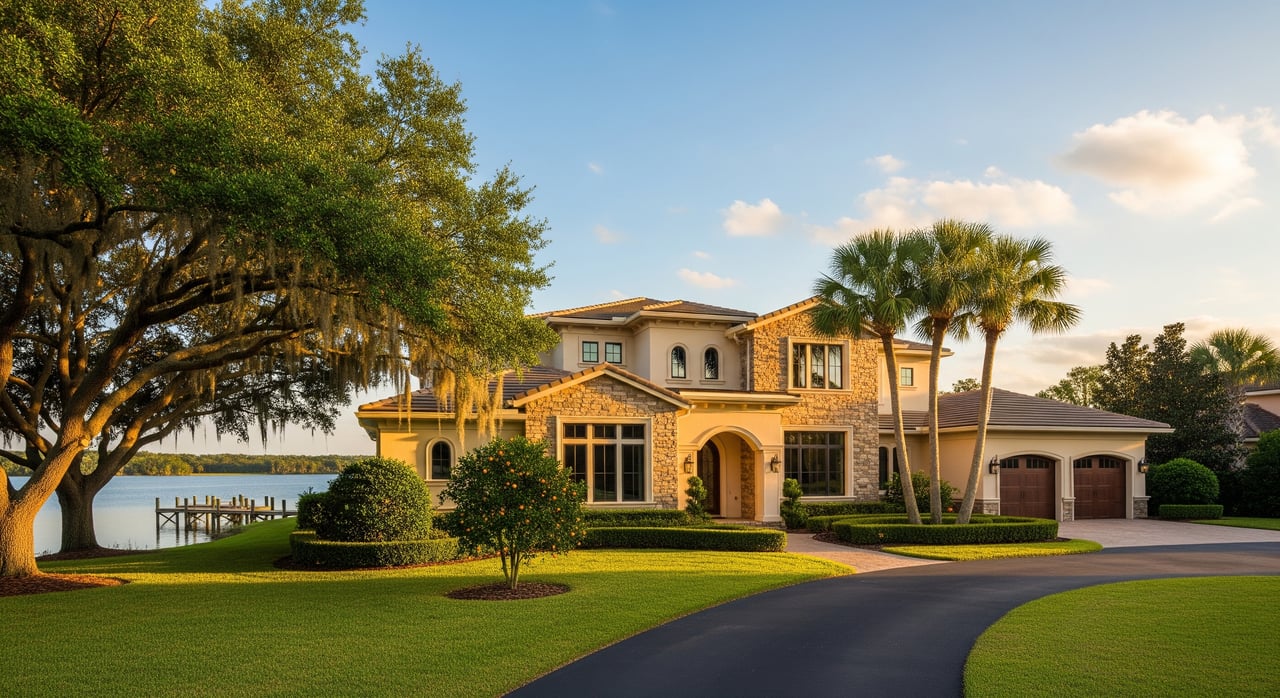
Lakefront and lake-adjacent homes around Lake Minneola and nearby lakes emphasize lifestyle. Many are custom builds with water views, docks, or community access to the lake. Lots can be larger along the shoreline, with a premium for view and access.
- Typical home type: custom two-story, Mediterranean or Florida contemporary
- Lot size: varies widely, often 0.25–0.5+ acre off-water and larger along the shore
- Standout: private or shared lake access, sunsets, and boating
- Good fit: buyers prioritizing water access, outdoor living, and space
Master-planned and newer subdivisions
Newer communities across Clermont’s growth corridors offer modern floor plans, community pools, playgrounds, and sidewalks. Homes are often built in the 2010s or later, with efficient systems and open concepts. Yards tend to be modest and easier to maintain.
- Typical home type: single-family ranch and two-story plans, some paired villas
- Lot size: commonly 0.12–0.25 acre
- Standout: community amenities, newer construction, and neighborhood programming
- Good fit: buyers who want low maintenance, amenities, and energy efficiency
Golf-course and gated enclaves
For an upscale feel, Clermont’s golf and gated communities offer privacy, planned landscaping, and higher-end finishes. Some have optional or required club memberships for full access, so review membership structures early in your search.
- Typical home type: custom or semi-custom with luxury finishes
- Lot size: often 0.2–0.5+ acre
- Standout: golf, clubhouse, tennis, security, and HOA oversight
- Good fit: buyers seeking a polished, private community environment
Lake Louisa and western Clermont estates
If you want space and privacy, look toward Lake Louisa and western Clermont. You’ll see larger lots, custom estates, and an agrarian feel near Lake Louisa State Park. Expect more distance to retail hubs, and verify utilities like septic and well.
- Typical home type: ranch-style homes, custom estates, farmhouses
- Lot size: 0.5–10+ acres
- Standout: acreage, privacy, and proximity to outdoor recreation
- Good fit: buyers who value land, quiet, and room for future projects
Nearby options: Minneola and Groveland
Adjacent cities can expand your choices if you want different lot sizes or price points while staying near Clermont. Each has its own neighborhoods and amenities that may align with your goals. Keep them in your search radius so you have more options.
- Typical home type: mix of newer subdivisions and established neighborhoods
- Lot size: varies by subdivision and area
- Standout: additional inventory and tradeoffs within a short drive of Clermont
- Good fit: buyers balancing budget, lot size, and convenience
Side-by-side comparison
| Area type | Home age and style | Typical lot size | Amenities | HOA and dues | Lake access | Commute notes | School zoning |
|---|---|---|---|---|---|---|---|
| Downtown/Historic | 1920s–1980s, renovated bungalows and cottages | Often < 0.25 acre | Walkability to shops, restaurants, parks | Varies by street; some areas no HOA | Public parks nearby | Convenient to SR-50 and local routes | Verify boundaries and recent ratings |
| Lakefront/Lake-adjacent | Custom, Mediterranean, Florida contemporary | 0.25–0.5+ acre; larger on shoreline | Private or shared docks, water access | HOA varies; check rules for docks | Yes in some communities | Drive times vary by shore location | Verify zoning and current ratings |
| Master-planned/Newer | 2010s–present, open-concept plans | 0.12–0.25 acre | Pools, playgrounds, sidewalks, events | HOA with amenities; review fees | Usually no private water access | Often near main corridors | Verify boundaries and recent ratings |
| Golf/Gated | Custom or semi-custom, higher-end finishes | 0.2–0.5+ acre | Golf, clubhouse, tennis, security | Higher HOA or club dues possible | Typically no direct lake access | Varies by community location | Verify zoning and current ratings |
| Lake Louisa/Western Estates | Mix of ranch and custom estates | 0.5–10+ acres | Privacy, proximity to state park | Limited HOA oversight in many areas | Typically no direct lake access | Longer drives to retail/employers | Verify school zones and ratings |
Commute and daily life check
Your commute may be a key factor. Check typical drive times during rush hours to your main destinations, such as downtown Orlando, the theme-park corridor, or local medical centers. Try several sample days and times so you get a realistic range.
Use the American Community Survey for context on mean travel time to work in Clermont and Lake County. Pair that with real-world checks using navigation apps at the hours you expect to travel. If you plan to use express routes or toll roads, factor those costs into your monthly budget.
Schools and zoning basics
School boundaries can shift, so always confirm zoning through Lake County Schools. Look up the current elementary, middle, and high schools assigned to a specific address. If ratings matter to you, review public accountability reports and parent-feedback sites, and visit schools to gather firsthand information.
Keep in mind that neighborhoods often span multiple zones. If a certain school path is important, prioritize properties that already align with your preferred zoning rather than relying on future boundary changes.
Lakefront considerations
Lakefront living brings a special lifestyle and a price premium. You get water views, access for boating or paddling, and memorable sunsets. At the same time, you should verify FEMA flood zones, elevation, and insurance costs for each specific property.
Ask for recent comparable sales because custom lake homes can vary widely in features and finish levels. Review shoreline condition and any seawall or dock permits and maintenance history. If the community offers shared access instead of a private dock, request the rules and waitlist details before you write an offer.
HOA rules and fees to review
Most newer and gated communities have HOA dues that fund amenities and common-area upkeep. Obtain current fee schedules and any recent special assessments. Read covenants for restrictions on short-term rentals, RV or boat parking, exterior changes, and fencing.
If you plan to add a pool, patio, or screened enclosure, check architectural review timelines and requirements. Confirm whether the HOA manages lawn care or irrigation and budget accordingly.
Touring checklist for move-up homes
Bring this quick list to every showing. It helps you compare homes on the details that matter for daily life.
- Space: count true bedrooms, flex rooms, and a quiet office area
- Storage: pantry size, primary closet, garage depth, attic access
- Kitchen and baths: layout flow, plumbing fixtures, ventilation
- Systems: age of roof, HVAC, water heater, windows, and insulation
- Natural light: orientation to morning and afternoon sun
- Yard: drainage, shade, room and setback for a future pool or addition
- Noise: street traffic, nearby amenities, and mechanical sounds
- HOA: visible rules like fencing, parking, or exterior colors
- Lake or acreage: dock condition, waterline structures, well/septic service areas
Timing your sale and purchase
Coordinating a sale and a purchase can feel complex, but a clear plan makes it manageable.
- Sell then buy: list your current home first to maximize equity clarity and reduce risk. You may need temporary housing between closings.
- Buy then sell: consider this if you have strong financing and flexibility. You may use tools like a home equity line or a bridge solution. Discuss timing and costs with your lender.
- Contingency offers: make your purchase contingent on the sale of your current home. This can work in certain market conditions when sellers are open to timelines.
Whichever route you choose, align inspection windows, appraisal timing, and move dates early. If you are shopping lakefront or acreage, expand inspections to include seawalls, docks, well and septic, and any outbuildings.
What happens next
Your best next step is a custom neighborhood consult and on-the-ground tour plan. You’ll get current MLS snapshots, HOA and school-zone verification, and a short list of homes that match your space, lot, and lifestyle goals. If you have a home to sell, start with a data-backed pricing plan and a timeline that fits your purchase window.
If you are ready to explore Clermont’s best move-up options, reach out to Omar Sanchez. Let’s map your must-haves, refine your search, and put a plan in place that feels calm, clear, and achievable.
FAQs
How much more will a move-up home in Clermont cost?
- Move-up homes generally sit above starter-home ranges. The best practice is to compare your target neighborhood’s recent sales to the city median using current MLS data on your decision day, then align budget with your lender pre-approval and equity from your sale.
Will moving up increase my commute in Clermont?
- It depends on location. Check a few weekday peak-hour drive times from each neighborhood type to your workplace using navigation apps, and compare routes that include toll roads versus surface streets.
Are lakefront homes worth the premium in Clermont?
- Many buyers value the lifestyle, views, and potential resale appeal. Weigh those benefits against higher insurance, maintenance, and fewer comparable sales, and verify flood zones and elevation for each address.
Can I add a pool or expand on a Clermont lot?
- Review lot size and setbacks in county parcel records, then check HOA rules and architectural review guidelines. Confirm utility locations and drainage before you plan a pool, patio, or addition.
What should I know about HOAs in newer or gated communities?
- Ask for current dues, any special assessments, and covenants covering parking, rentals, exterior changes, and landscaping. Build those costs into your monthly budget and timeline for approvals.